
It is a time to celebrate the work that we do, but it’s also a time to reflect on the impact that we have.
Aideen Carroll, Advanced Practice Nurse Educator and instructor at the Michener Institute of Education at UHN
Aideen Carroll, Advanced Practice Nurse Educator and instructor at the Michener Institute of Education at UHN, reflects on mental health in nursing, holistic care, and the role of education in supporting today’s healthcare workforce.
For Aideen Carroll, Advanced Practice Nurse Educator and instructor at the Michener Institute of Education at UHN, National Nursing Week is both a celebration and a moment for reflection.
“It is a time to celebrate the work that we do,” she says, “but it’s also a time to reflect on the impact that we have.”
This year’s theme, The Power of Nurses to Transform Health, resonates deeply with Aideen’s work in mental health nursing education. From influencing patient care to shaping broader conversations around health, she sees nurses as uniquely positioned at the centre of transformation.
“We’re at the point of care, we’re everywhere,” she explains. “By influencing health and health change, we’re influencing the whole human condition in a positive way.”
As an Advanced Practice Nurse Educator at University Health Network, Aideen focuses on mental health, an area she describes as both fascinating and essential to holistic care.
“Every single person carries their emotional health,” she says. “When we walk into a hospital, we don’t leave our minds behind, we carry them with us.”
For Aideen, one of the most important shifts in healthcare is the growing recognition that mental and physical health cannot be separated.
“We cannot care for one without the other,” she says. “When we come into a mental health unit, we don’t leave our bodies in the parking lot. And when we come into a physical care setting, we don’t leave our minds in the elevator.”
This integrated approach is becoming increasingly important as healthcare evolves, particularly in the wake of the COVID-19 pandemic.
“I think the pandemic really opened up the conversation around mental health,” she explains. “It created an awareness of anxiety, isolation, and the need for connection, and helped break down some of the stigma that existed.”
Aideen brings this perspective into her teaching at Michener through the Mental Health Nursing Certificate Program, which she helped develop to address a clear gap in nursing education.
Drawing on her clinical experience, she connects real-world practice to education, helping nurses build skills they can apply directly in patient care.
“Not all nurses were coming into practice with an understanding of mental health,” she says. “We were hearing that many hadn’t had the opportunity for placements or formal training.”
The program was designed to build both knowledge and confidence, covering areas such as the therapeutic relationship, mental health assessment, and key approaches to patient-centred care.
“Continuing education is essential in nursing because healthcare is constantly evolving,” she says. “The more we understand, particularly in areas like mental health, the more confident and effective we can be in supporting the patients we care for.”
“What I hope people take away is not to be afraid of mental health,” she says. “It’s about developing a deeper understanding of patients, illness, and how to support people in a meaningful way.”
For Aideen, education plays a critical role in shaping how nurses deliver care.
“If you’re not looking at the mental health status of the patient, you’re missing a whole assessment,” she explains. “Understanding mental health makes us more well-rounded, more holistic nurses.”
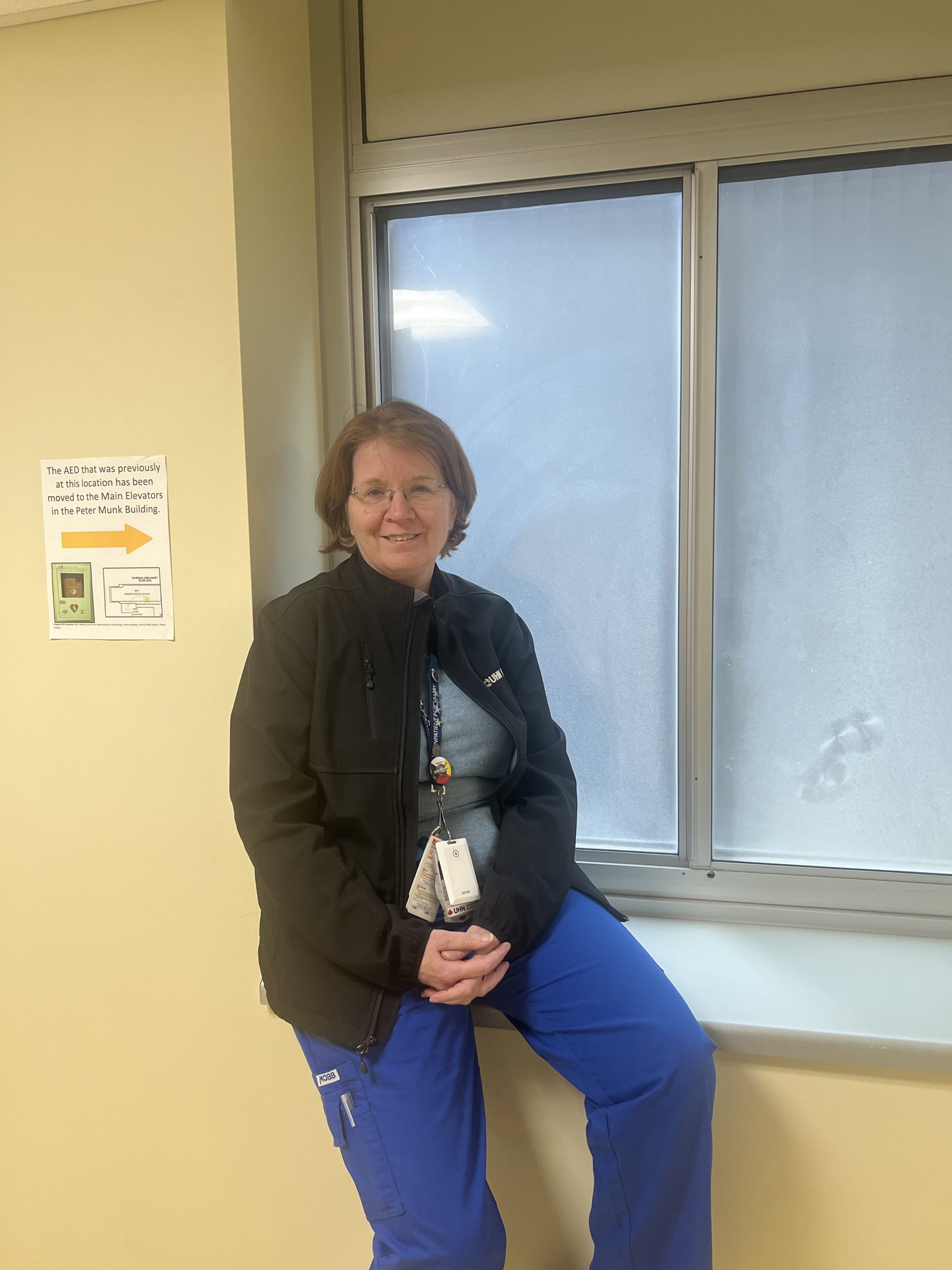
Over the course of her career, Aideen has witnessed a significant shift in how mental health is viewed within the profession.
“There was a time when mental health nursing was seen as something separate,” she says. “Now, we’re seeing it come into its own.”
Today, she sees growing demand for mental health knowledge across all areas of nursing, a change she finds meaningful and exciting.
“To bear witness to this journey in nursing, integrating care of both the mind and the body, is incredibly rewarding,” she says. “We’re moving toward truly holistic care.”
As National Nursing Week is recognized alongside Mental Health Week, Aideen hopes nurses take time to reflect on the importance of emotional health both for their patients and themselves.
“Every single person is somewhere on the spectrum of emotional health,” she says. “Having a deeper understanding of that will make us better nurses.”
For those considering further education in mental health, her message is clear:
“You’re not going to go anywhere without it. If you’re not considering the mental health status of the patient, you’re missing a whole part of care.”